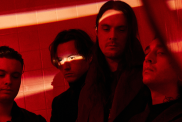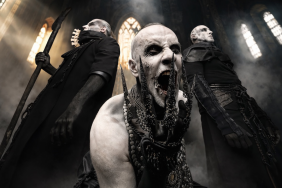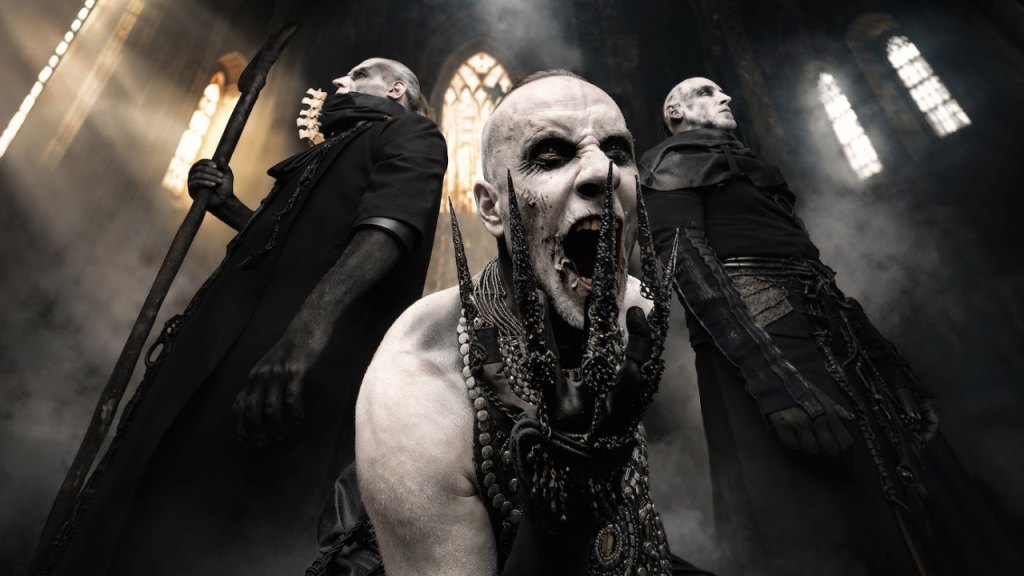
Next week, Behemoth bring their 30-year reign of ritualistic chaos to Australian stages, kicking off February 18 at The Tivoli in Brisbane before laying waste to Sydney, Melbourne and Adelaide. Nergal has promised “chaos, fire, and a ritual like no other” – and if you’ve followed this band for even five minutes, you’ll know that’s less marketing fluff and more documented history.
In fact, they’ve just been banned from playing in Istanbul this week after Turkish authorities cancelled a scheduled show over concerns about “Satanic filth.” Which, if anything, feels like extremely on-brand pre-tour publicity. Australia now stands to receive a freshly fuelled Behemoth – allegedly operating at peak wrath.
Across three decades, Behemoth haven’t just evolved from Poland’s black metal underground into global extreme metal royalty – they’ve done it while repeatedly staring down bans, courtrooms, government investigations and pearl-clutching outrage. Where other bands might’ve softened the edges, Behemoth sharpened theirs. Below is an homage of five times they turned controversy into pure, career-defining mythos.
BEHEMOTH – ‘Lvciferaeon’
1. The Bible Toss Heard Around Poland
In 2007, Nergal tore up a Bible onstage in Gdynia, calling it “a book of lies”. For a black metal band, that’s basically Tuesday. For Poland – a deeply Catholic country with strict blasphemy laws – it triggered a years-long legal saga.
He was charged with “offending religious feelings”, a crime under Polish law, and even spent time in lock-up. What followed wasn’t just tabloid noise, it was a drawn-out courtroom battle that dragged on for years. In the end, Nergal was acquitted. But the message was clear: Behemoth weren’t just theatrically anti-religious, they were willing to defend that stance under oath.
Instead of derailing them, it cemented their image as genuine provocateurs, not cosplay Satanists.
2. Black Metal vs. The Court System (Spoiler: It’s still ongoing)
The Bible incident wasn’t a one-off either. Nergal has faced multiple legal battles in Poland tied to accusations of blasphemy and “insulting religious feelings”. From album artwork to stage visuals, Behemoth have repeatedly been dragged into court over imagery that would barely raise an eyebrow at a European festival.
Rather than retreat, the band leaned into it – becoming vocal critics of censorship and religious influence in Polish politics. Suddenly, this wasn’t just extreme metal theatrics, they were waging a culture war.
And somehow, each attempt to shut them down only made them louder.
3. Public Enemy #1: When The Church Tried To Cancel Them
Beyond the courts, Behemoth have repeatedly been targeted by conservative political and religious groups in their homeland. Shows have been protested. Festivals pressured. Politicians have publicly condemned them.
There’s something almost poetic about a blackened death metal band becoming a recurring talking point in national political discourse. Nergal – articulate, media-savvy and never one to back down – often found himself debating morality on national television.
For a band that started in the early ‘90s playing grim underground shows, that’s one hell of an ascension.
4. Grammy-Nominated Satanists (Yep, Really)
When 2014’s The Satanist dropped, it wasn’t just another extreme metal record – it was a critical juggernaut. The album earned global acclaim and even Grammy recognition in Poland.
There’s something deliciously ironic about a record titled The Satanist being nominated by mainstream industry bodies. It proved what longtime fans already knew: beneath the fire and corpse paint theatrics lies meticulous songwriting, atmosphere and intent.
Controversy may have amplified Behemoth’s presence, but quality kept them there.
5. The The Shit Ov God Era & The Art Of Never Dialling It Down
Three decades in, many bands mellow out. Behemoth? Nup. Album titles remain confrontational. Artwork still bristles with sacrilegious imagery. Live shows are closer to theatrical ritual than standard metal gig.
Even as they headline global festivals and sell out theatres worldwide, they’ve never softened the edges to appease critics. That refusal to compromise is part of what’s carried them from Polish underground cult act to international metal institution.
6. Banned In Istanbul For “Satanic Filth” (Literally This Week)
Because no Behemoth controversy retrospective would be complete without something happening in real time.
On the eve of their Australian tour, the band’s scheduled concert in Istanbul was cancelled by local authorities, with officials declaring the event a threat to public morality. The Governor of Istanbul stated that activities which “corrupt society” would not be permitted – with the show was scrapped outright, framed as an effort to protect young people from exposure to “Satanic filth”.
Naturally, this means Australia is now next in line to receive a freshly banned, possibly even more motivated Behemoth. Promoters have already hinted fans can expect “unrestrained wrath” when the band hits local stages – which honestly sounds less like hype and more like a completely reasonable prediction.
Thirty years in, and they’re still getting banned by governments.
Legacy status: confirmed.
Behemoth stand as one of extreme metal’s most enduring forces – not just because they provoked, but because they evolved. They survived legal battles, political backlash, illness and shifting musical landscapes, emerging each time more refined and more defiant.
Now, as they prepare to “leave no soul unscathed” across Brisbane, Sydney, Melbourne and Adelaide, Aussie fans are about to witness the result of three decades of outrage forged into legacy.
Apocalypse pending.
Grab your tickets down below.
Behemoth 2026 Australian Tour Dates
Supported by Nidhogg (Poland)
- Wed, Feb 18: The Tivoli, Brisbane
- Fri, Feb 20: The Metro, Sydney
- Sat, Feb 21: The Forum, Melbourne
- Sun, Feb 22: The Gov, Adelaide
Tickets on sale now via thephoenix.au
Further Reading
Behemoth Announce 2026 Australian Tour To Mark 30 Years Of Brutality
NEWS FLASHBACK: Behemoth Frontman Facing Jail After Blasphemy Charges