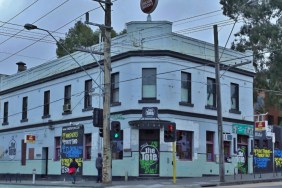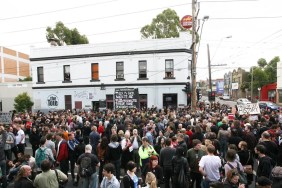
Music Victoria has thrown its weight behind an online campaign aimed at preventing Melbourne’s Palace Theatre from being demolished to make way for new apartments.
In the statement, Music Victoria CEO Patrick Donovan anticipates dire effects on the local music scene should The Palace close for business. He points out that the medium-sized venue offers a stage for high-profile acts both local and international; without it promoters will only be left with the option of downsizing, at the risk of losing ticket sales, or upsizing and playing to a half-empty room in a more expensive venue.
Donovan compares the situation to that of The Tote, which suffered at the hands of what he calls “draconian liquor licensing laws”, but points out that it was people-power that ultimately resulted in that venue being saved:
“When the landlord of The Tote building realised how much passion there was for it as a band venue, he decided to let the new leaseholders continue hosting bands. So the more signatures that are raised for the Palace petition, the better chance that that message will get through.”
News that The Palace Theatre was under threat broke over the weekend after it was revealed that its new owners, Chinese property investment firm Jinshan Investments, planned to demolish the venue to make way for Australia’s first W Hotel, a luxury apartment chain.
A ‘Save The Palace’ online campaign was launched soon after, and has now attracted more then 20,000 Facebook followers. The petition, aimed at planning minister Matthew Guy, has amassed nearly 10,000 signatures in just a few days.
Read the full statement from Patrick Donovan below and consider adding your signature to the petition here.
Gallery: 10 iconic venues that suffered undignified ends
“A note regarding the Palace Theatre from Music Victoria CEO, Patrick Donovan:
The Palace is one of Melbourne’s best live music venues – a beautiful building full of character, great sightlines and production, centrally located, run by experienced operators, and one of the few medium sized venues that can host the bigger Australian acts as well as international touring bands.
Its absence would leave a huge gap for 2,000 capacity standing room venues, which would be a huge blow after losing the former Palace in St Kilda.
In its absence, promoters would have to look at downsizing to The Forum, which is already heavily booked with other events such as the comedy and film festival, moving to the Palais Theatre, which has no standing area, or upsizing to Festival Hall.
Victorians love their venues and in only a few days, more than 20,000 music fans have pledged their love for the Palace in a social media campaign to save it, and over 9,000 have signed the online petition.
The government acknowledged the economic and cultural contribution of a live music scene that contributes more than $1 billion to the economy when it amended the Liquor Act’s objects.
People-power and a looming election conspired to save The Tote, which was buckling under recently implemented draconian liquor licensing laws. But this is a different scenario – like the East Brunswick Club, a new owner has done their sums and realised they can make more money out of apartments.
However, when the landlord of The Tote building realised how much passion there was for it as a band venue, he decided to let the new leaseholders continue hosting bands. So the more signatures that are raised for the Palace petition, the better chance that that message will get through.”
10 Iconic Venues That Suffered Undignified Ends
-
Phoenician
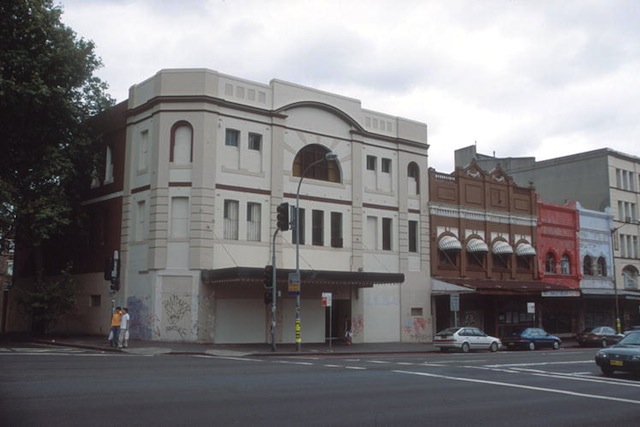
Phoenician Club in Ultimo: Nirvana played their first Sydney gig there and Sherbert had a residency. 15-year-old Anna Wood died of an ecstasy overdose there in 1995, the public uproar shut its doors forever. -
Cbgb
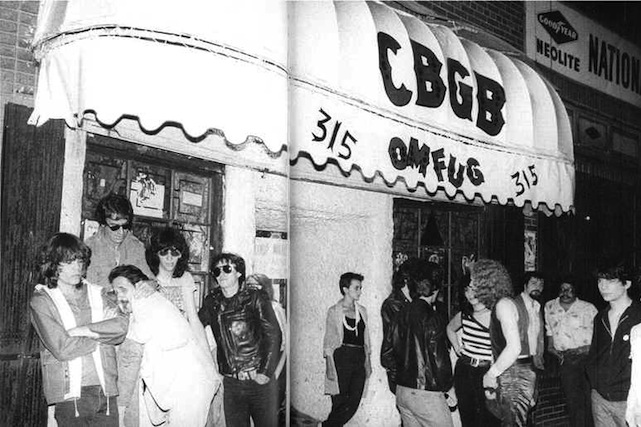
CBGB in New York City: If you don't know this one, take off that damn Ramones shirt. Legendary owner Hilly Kristal was billed $91,000 in back rent to which he pleaded ignorance. After a failed attempt at getting landmark status for the club and moving it to Las Vegas, it shut its doors '06. -
Stagedoor Tavern Ad
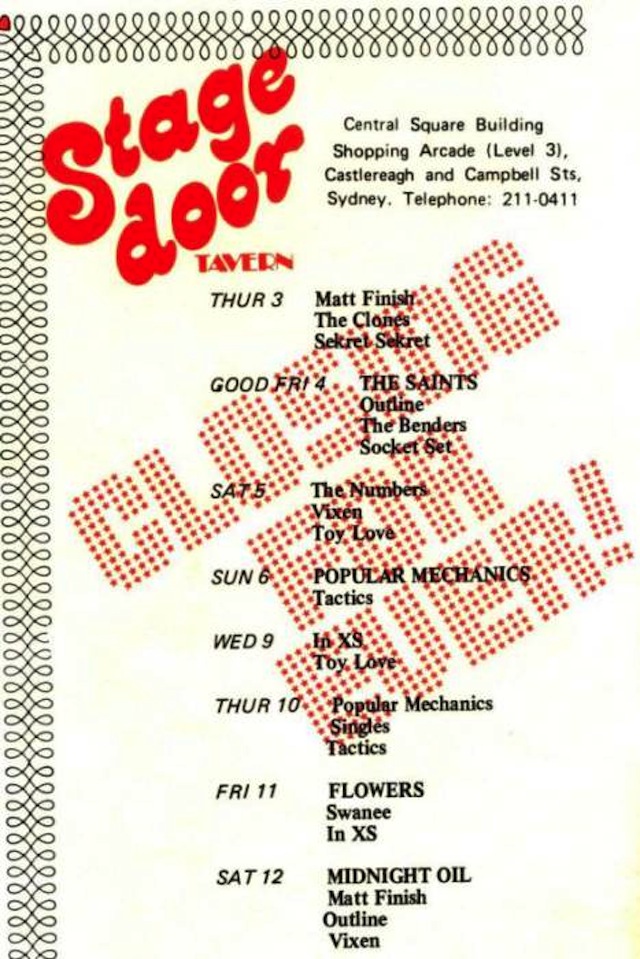
The Stage Door Tavern in Sydney: Has had Cold Chisel, the Stranglers and Midnight Oil, with the police once shutting down the latter's gig. Ironically it's now home to the NSW Licensing Court. -
MuddClubPlaqueNYC
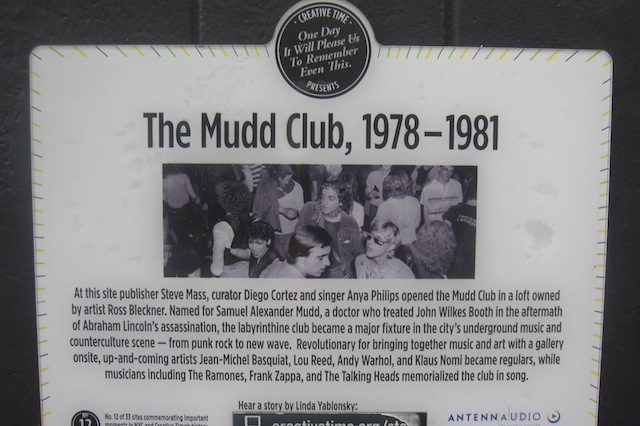
Mudd Club in New York City: Host to anybody who was anybody in the 70s, from Lou Reed and Iggy Pop to Madonna, Jean-Michel Basquiat and Talking Heads. Closing in 1983, regulars said "At the end, it was not much fun anymore. I mean, it had just become--kind of like the hangers-on to the hangers-on at the Mudd Club." -
Jade Monkey Live Music Adelaide Adelaide Live Musi11
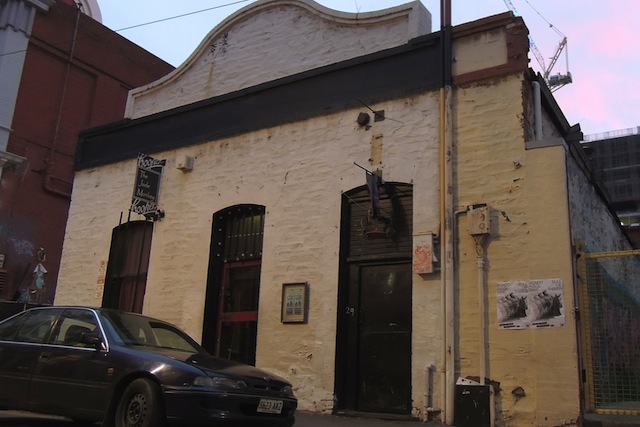
The Jade Monkey in Adelaide: One of Adelaide's few music venues was closed to make way for a new hotel. Said management: "Because even though we aren't on the exact spot, it seems that the owners don't want a live music venue next to their shiny new hotel, something I'm sure this city needs.” -
Hacienda
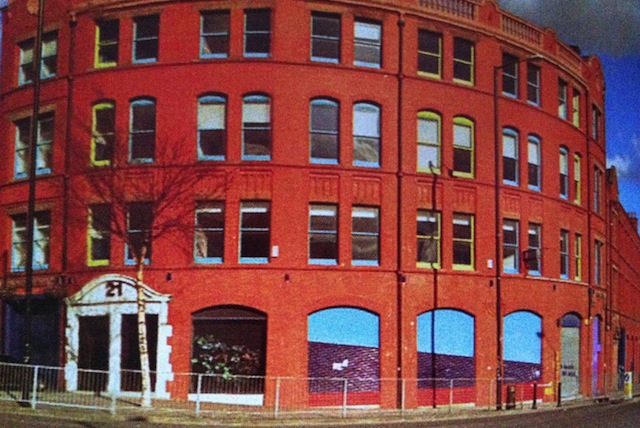
The Hacienda in Manchester, England: The place rave culture was born. As depicted in the film 24 Hour Party People, ecstasy meant the punters weren't being fuelled by nightclub-lifeblood, alcohol. With the drugs came the shootings and the club eventually imploded. -
The Arthouse
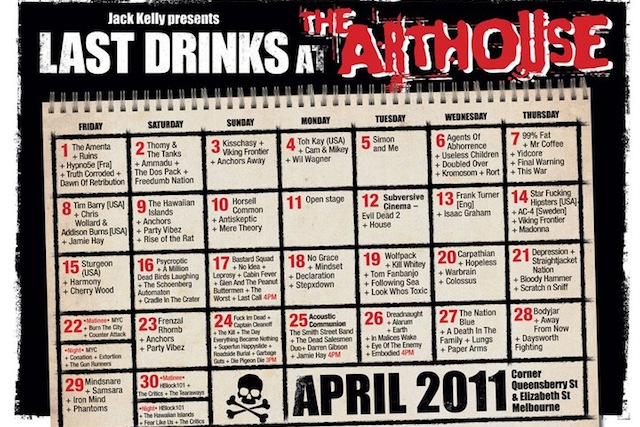
The Arthouse in Melbourne: Classic tale of Victorian Liquor Licensing laws requiring them to shut at 1am instead of 3am to avoid labelling as a "high risk" venue. This would mean having roughly one bouncer for every patron in the shack-sized venue. -
ErolAlkan
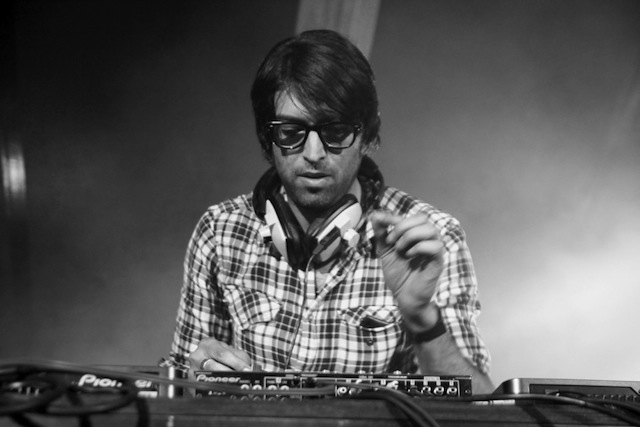
Trash in London: Birthplace of dance-punk, electroclash and the garage rock revival, it closed in 2007 after 10 years. Founder and resident DJ Erol Alkan had enough of the place and handed the reigns over to Trash associates. Ask some punters and they'll tell you that "until 2000ish it was a bog standard indie club." -
The Roxy
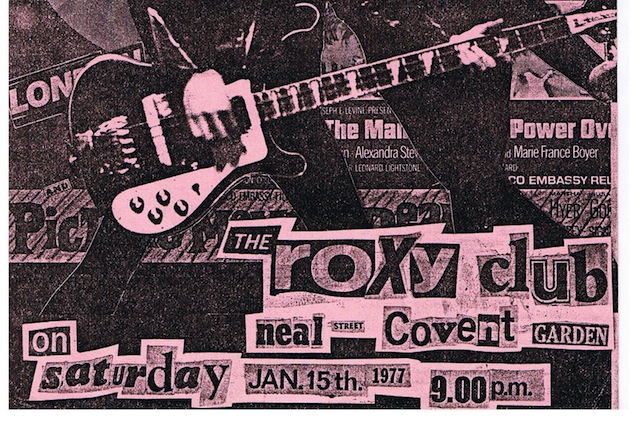
The Roxy in London: The home of UK punk, hosting bands like The Clash, Buzzcocks and The Jam, was open for all of 100 days before owners sold it to an East End gangland group. It's now a boutique. -
Warehouse
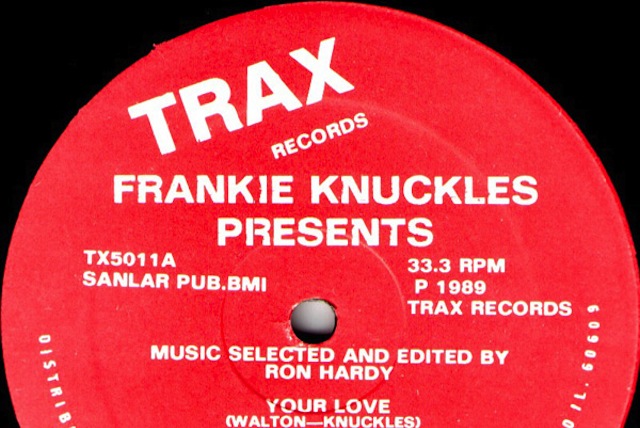
The Warehouse in New York City: Where House music got its name. Owned by Robert Williams and led by legendary DJ Frankie Knuckles, the admission fee doubled in '82 and Knuckles left to start his own club to which punters promptly followed.